Worse Outcomes in Critical Illness for Patients with Cirrhosis: Clinical Considerations
Patients with alcohol-related cirrhosis experience worse outcomes in recovery from critical illness, highlighting the impact of underlying liver disease on clinical trajectories and the need for specialized care and management strategies in this patient population.
October 2022

Global Increase in Depressive and Anxiety Disorders: Implications for Mental Health Services
Depressive and anxiety disorders have increased by 25% globally, with women and young people disproportionately affected, highlighting the urgent need for increased investment in mental health services to address the growing burden of psychiatric illnesses worldwide.
October 2022
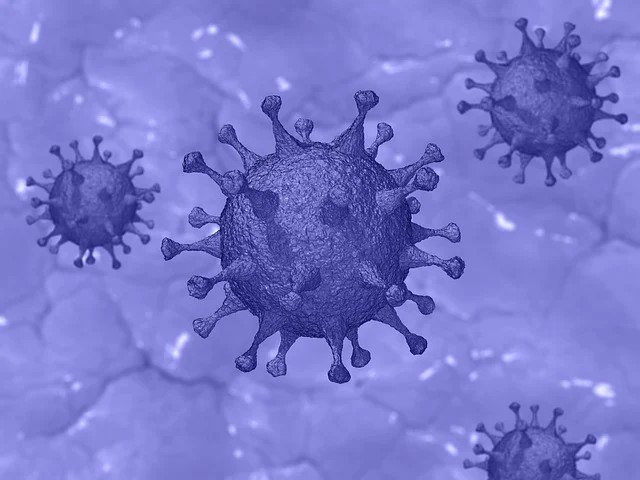
Sexual Dimorphism in COVID-19: Gender Disparities in Disease Severity and Outcomes
COVID-19 severity and mortality are higher in men compared to women, while women may be at higher risk of reinfection and long COVID, highlighting gender-specific disparities in COVID-19 susceptibility, clinical course, and outcomes.
October 2022

Traumatic Brain Injuries: Epidemiology and Socioeconomic Disparities
Traumatic brain injuries (TBIs) disproportionately affect populations with lower socioeconomic status, highlighting disparities in access to quality care and the need for targeted interventions to address social determinants of health in TBI prevention and management.
October 2022

Early Remdesivir Use to Prevent Severe COVID-19: Clinical Trial Outcomes
Early remdesivir administration results in an 87% lower risk of hospitalization or death compared to placebo in individuals with COVID-19, highlighting the therapeutic potential of remdesivir in preventing disease progression and reducing the burden of severe illness in infected patients.
October 2022

Flat Foot in Pediatrics: Management Guidelines and Clinical Review
A comprehensive review and guide to management guidelines for flat feet in pediatrics provide insights into the evaluation, diagnosis, and treatment of pediatric flatfoot deformity, informing evidence-based approaches to improve clinical outcomes and functional outcomes in affected children.
October 2022

Glaucoma Awareness Day: Addressing the Silent Threat to Vision
Glaucoma, a condition affecting the optic nerve and often asymptomatic, poses a significant public health challenge, with 80 million affected individuals worldwide, prompting initiatives such as Glaucoma Awareness Day to raise awareness and promote early detection and treatment.
October 2022

Gallstone Disease: Clinical Overview and Management Considerations
Gallstone disease, one of the most common medical problems, presents diagnostic and therapeutic challenges to clinicians, highlighting the need for comprehensive management approaches tailored to individual patient characteristics and disease severity.
October 2022

Herd Immunity Unlikely for COVID-19: Public Health Implications
Achieving herd immunity against COVID-19 is unlikely, necessitating continued vaccination efforts, treatment development, and ensuring adequate healthcare capacity to mitigate the impact of the ongoing pandemic and prevent future surges in infections.
October 2022

Rising Incidence of HPV-Associated Cancers: A Global Trend Analysis
While cervical cancer incidence has stagnated in higher-income settings, there is a concerning increase in the overall incidence of HPV-associated cancers, particularly in lower-income settings, underscoring the need for targeted prevention and screening efforts to mitigate the growing burden of HPV-related malignancies.
October 2022