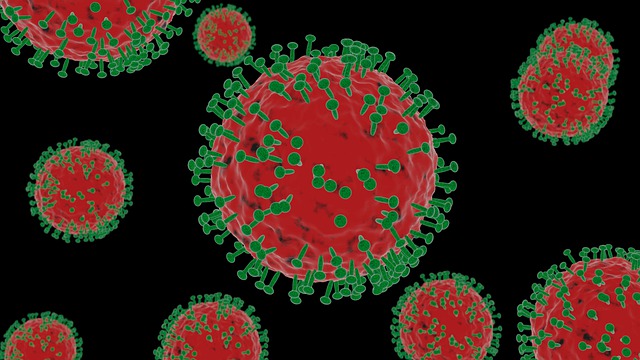
Unvaccinated Individuals Contribute Disproportionately to SARS-CoV-2 Risk for Vaccinated Population
Decisions made by unvaccinated individuals significantly contribute to the risk of SARS-CoV-2 transmission among vaccinated populations, underscoring the collective responsibility and impact of vaccination efforts on public health outcomes.
December 2022

Childhood Cardiovascular Risk Factors and Their Impact on Adult CV Events
Body mass index, systolic blood pressure, total cholesterol level, triglyceride level, and youth smoking are significant childhood cardiovascular risk factors that impact the risk of cardiovascular events in adulthood, underscoring the importance of early intervention and preventive measures.
December 2022

Hypoglycemia Linked to QT Prolongation in Type 2 Diabetes
Severe hypoglycemia is associated with an increased risk of QTc prolongation in individuals with type 2 diabetes, emphasizing the importance of glycemic management and monitoring to prevent adverse cardiac events in this population.
December 2022

Understanding Delusions in Psychosis: Implications for Clinical Care
Effective clinical care for individuals with psychosis requires an understanding of the subjective experience and meaning of delusions, emphasizing the need for personalized and culturally sensitive approaches to treatment and support.
December 2022
Thunderstorm Asthma Confirmed as a Real Phenomenon
Thunderstorm asthma is confirmed as a real phenomenon, characterized by excessive risks of exacerbations in susceptible individuals during thunderstorm events, prompting increased awareness and preventive measures in vulnerable populations.
December 2022
Periodontal Diseases Linked to Chronic Disease Burden
Periodontal diseases contribute to systemic inflammation and chronic disease burden, highlighting the bidirectional relationship between oral health and overall health outcomes, and the importance of integrated management approaches.
December 2022
Oxytocin Release Associated With Age and Linked to Life Satisfaction and Prosocial Behavior
Oxytocin release increases with age and is associated with higher levels of life satisfaction and prosocial behaviors, suggesting a potential role for oxytocinergic mechanisms in age-related well-being and social functioning.
December 2022
Temporomandibular Pain Worsens During Late Menopause Transition
Temporomandibular disorder-induced pain is likely to worsen during the late menopause transition, highlighting the need for targeted interventions to address musculoskeletal symptoms and improve quality of life in perimenopausal women.
December 2022


Subcutaneous Injection Switch May Alleviate Fatigue After COVID-19 Vaccination, Mice Study Suggests
Experiments in mice suggest that switching from intramuscular to subcutaneous injection may relieve fatigue commonly associated with COVID-19 vaccination, offering a potential strategy to improve post-vaccination tolerability in humans.
December 2022