
Periodic Fever Syndrome Found Across Age Groups in Children and Adults
Periodic fever syndrome, aphthous stomatitis, pharyngitis, and cervical adenitis are identified in both children and adults, challenging previous notions of pediatric exclusivity and highlighting the need for broader recognition and diagnosis.
Februery 2023

Inability to Stand on One Leg Linked to Increased Risk of Mortality in Middle and Old Age
The inability to stand on one leg for 10 seconds in middle or old age is associated with nearly double the risk of mortality, highlighting the potential utility of simple physical assessments in predicting health outcomes.
Februery 2023

Asymptomatic Circulation of Monkeypox Virus Detected in Belgium
The detection of asymptomatic circulation of the monkeypox virus in Belgium, as evidenced by positive rectal swabs, underscores the challenges in containing and monitoring the spread of infectious diseases within communities.
Februery 2023

Long-Term Implications of Smell and Taste Dysfunction in COVID-19
Research suggests that up to 5% of individuals affected by COVID-19 may experience persistent smell and taste dysfunction, highlighting the need for further investigation into the prognosis and management of these symptoms.
Februery 2023

Investigating the Impact of Gestational COVID-19 on Mother-Infant Transmission Dynamics
Researchers describe the transmission dynamics of SARS-CoV-2 in exposed infants born to mothers with gestational COVID-19, providing insights into viral load kinetics and the potential risks posed to neonates during the perinatal period.
Februery 2023
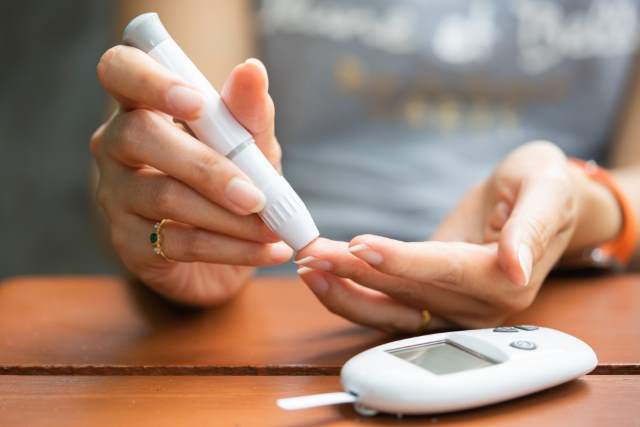
Coronary Calcium Score in Asymptomatic Diabetics: Prevalence, Determinants, and Prognostic Value
This study investigates the prevalence, determinants, and prognostic significance of elevated coronary calcium scores in asymptomatic diabetic patients, offering insights into cardiovascular risk assessment in this population.
Februery 2023
Piriformis Syndrome Identified as Subgroup of Deep Gluteal Syndrome
Piriformis syndrome is recognized as a subgroup of deep gluteal syndrome, shedding light on the anatomical and clinical complexities of gluteal region pathology and guiding diagnostic and treatment approaches for affected patients.
Februery 2023
White Coats Identified as Potential Sources of Nosocomial Infections, Study Warns
White coats worn by healthcare professionals are identified as potential sources of nosocomial infections, underscoring the need for stringent hygiene practices and reconsideration of traditional attire in clinical settings.
Februery 2023